

The legend lives on from the Chippewa on down
Of the big lake they call Gitche Gumee
The lake, it is said, never gives up her dead
When the skies of November turn gloomy
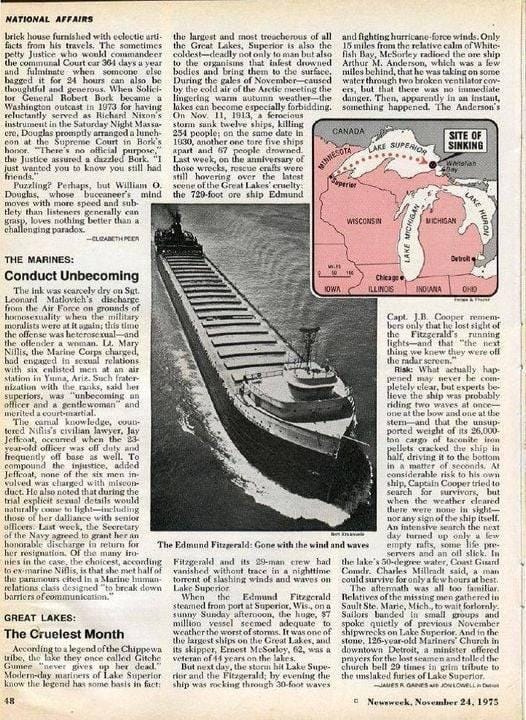
As the largest and deepest of the Great Lakes, Lake Superior has an estimated 550 shipwrecks resting underwater. But one from 1975 is the most famous, all because of a musician named Gordon Lightfoot.


Two weeks after the sinking of the Edmund Fitzgerald, a freight ship that traversed Lake Superior until being lost to a storm on November 10, 1975, a magazine called Newsweek published a story about the event. Lightfoot, a Canadian folk rock singer, read the story and was inspired to write a song.
He couldn’t have known how many lives would be changed because of it.
“The ship was the pride of the American side”
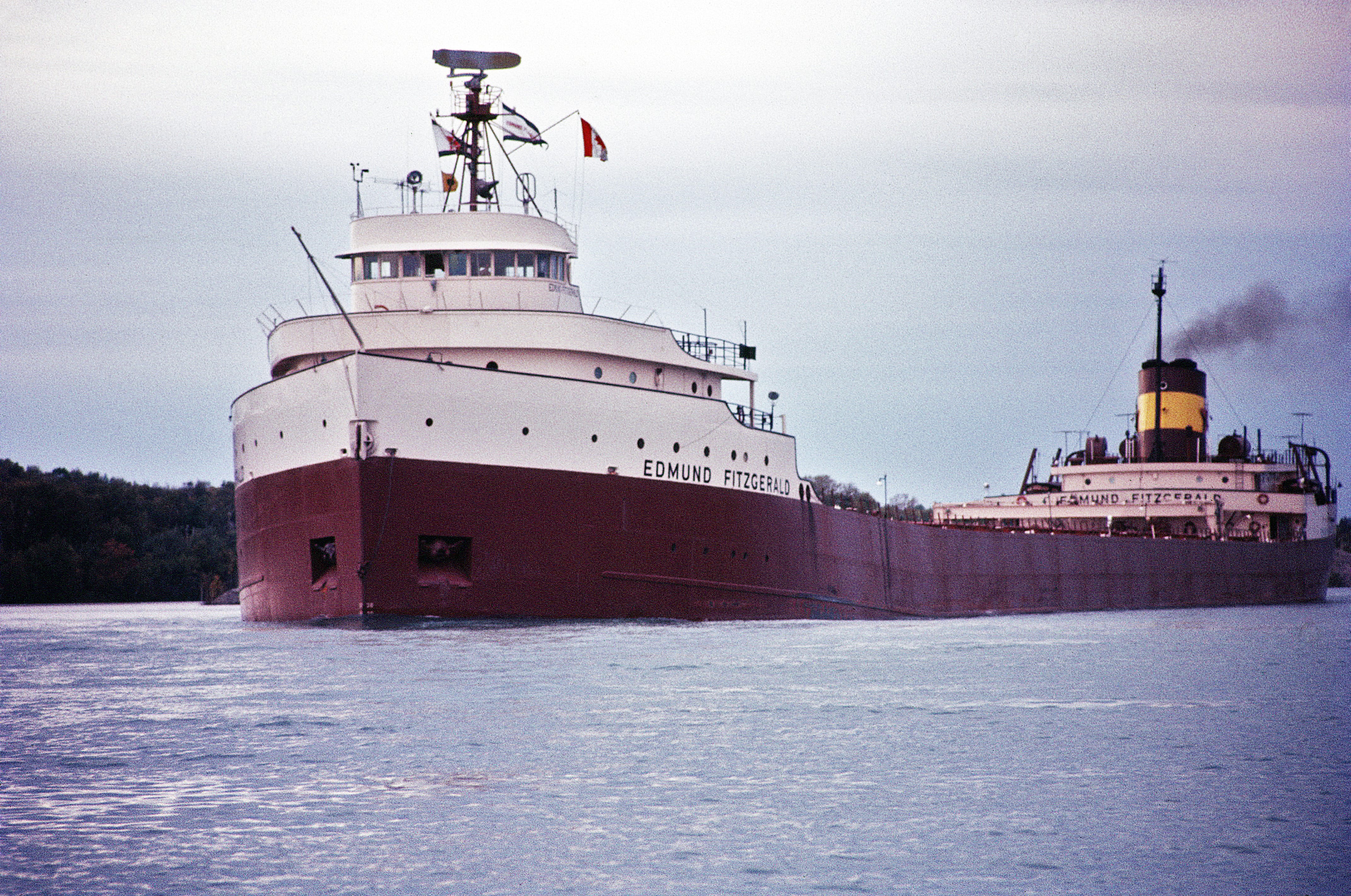
The Edmund Fitzgerald was a bulk freighter that hauled iron ore from Minnesota and Wisconsin to steelmaking hubs in Michigan and Ohio.
“It was a very important ship,” said Corey Adkins from the Great Lakes Shipwreck Historical Society. “It was a very proud ship. They called it ‘the pride of the American side.’”
The ship sank in a violent storm on Lake Superior, taking with it its crew of 29 men led by Captain Ernest McSorley. No one knows exactly what made the ship sink, although there are several theories.

“And the good ship and crew was in peril”
When Lightfoot wrote his song, the wreck hadn’t yet been fully investigated, so there wasn’t much to know about the cause. He relied on news reports and his own knowledge of sailing from growing up on the Great Lakes to craft a story about the sinking.
He presented the song to his band in December 1975 during a recording session, playing it all the way through while the group heard it for the first time. For the next few weeks, they rehearsed and attempted to record the song, but they agreed the first time through had been better. Luckily, someone in the studio had recorded that take, and that is the one they chose to release. In 1976, “The Wreck of the Edmund Fitzgerald” was released on Lightfoot’s album Summertime Dream, going to No. 1 in Canada and No. 2 in the U.S.
“In a musty old hall in Detroit they prayed”
Not everyone loved Lightfoot’s song, specifically people with connections to the sinking and the crew members who had been on the ship. One theory about the cause of the sinking was captured in the lyric, “At 7 p.m. the main hatchway caved in. He said, ‘Fellas, it’s been good to know ya.’”
“A couple of the mothers were upset because their kids were the guys who were supposed to be watching the hatch covers,” Lightfoot said in a 2013 interview.
The hatch theory was proven years later not to have been the cause of the sinking, and Lightfoot changed the lyric to “At 7 p.m., it grew dark, it was then he said, ‘Fellas, it's been good to know ya.’”
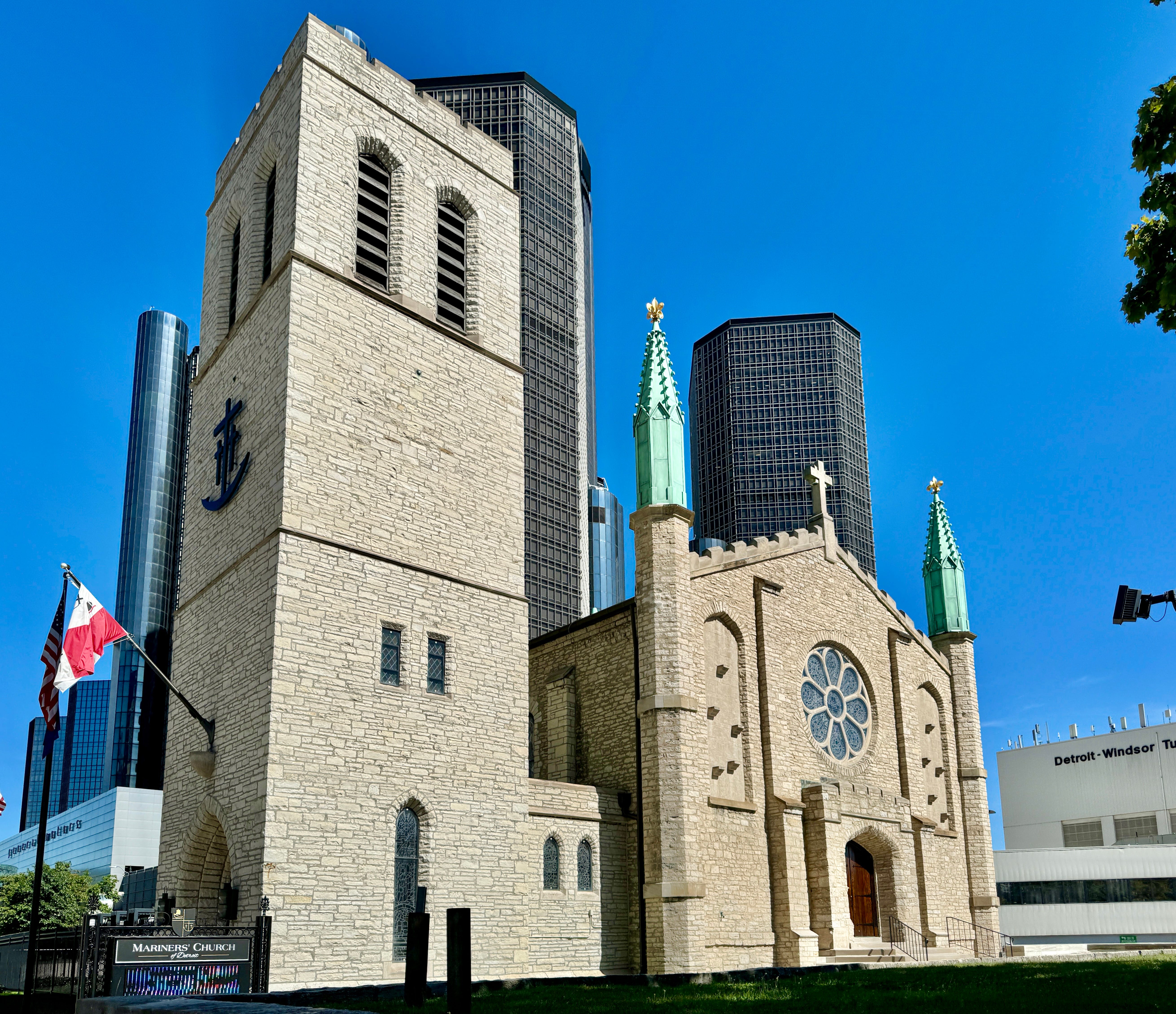
Another lyric had to do with the Mariners Church in Detroit, which rang its bell 29 times to commemorate the lives lost on the ship. Lightfoot had called the church a “musty old hall,” but after visiting the church and talking with parishoners changed the lyric to “rustic old hall.”

“And all that remains is the faces and the names of the wives and the sons and the daughters”
“The Wreck of the Edmund Fitzgerald” was more than just a song, not just to the man who wrote and performed it but to the crew members’ families. And Lightfoot became a friend to many affected by the tragedy.
“Gordon was awesome,” Adkins said. “He did have a very tight connection with the family members. At concerts, he would always bring them backstage and give them good treatment. He was just a good guy.”
Lightfoot visited the Great Lakes Shipwreck Museum for events over the years and even performed his song in that “rustic old hall” in Detroit for the 10th anniversary of the ship’s sinking.
Gordon Lightfoot died in May 2023 at the age of 84. That November, the Mariners Church in Detroit rang its bell 30 times—once for every man on the Edmund Fitzgerald and once for the man who made sure they would be remembered forever.