

It might be hard to imagine two young kids starting a fervor that had an entire town of people accusing their neighbors of being witches. But that’s exactly what happened in 1692. This week on That’s Terrible!, Erika and Amelia talk about the awful history of the Salem Witch Trials.
1692: Salem, Massachusetts
“Life was pretty difficult in 17th Century Salem,” said Dan Lipcan, the Ann C. Pingree Director of the Phillips Library at the Peabody Essex Museum in Salem. The area was populated by colonists who didn’t have the modern conveniences we enjoy today like electricity or running water. Most of the people were Puritans, a group of people who followed very strict rules about how to live.
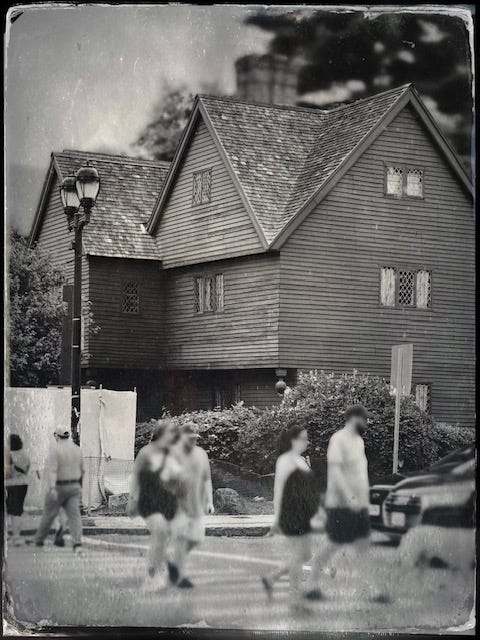
“Most kids weren’t encouraged to speak at all unless spoken to,” Lipcan said. “It was very stern, not a lot of fun.”
It had also been a tough few years leading up to 1692. The weather had been bad for growing crops, so food was scarce, and there was also a deadly smallpox outbreak in Massachusetts that had claimed many lives.
“People were looking for something or someone to blame for their misfortunes,” he said.
The first victims
The trouble began in the home of Reverend Samuel Parris. The reverend’s daughter, Betty (age 9) and niece Abigail (age 11) began acting strangely. The girls had screaming fits and complained of being pricked with pins. A doctor came to see the girls and determined that they were the victims of witchcraft. And the witch the girls named was right in their household: a slave named Tituba.
“She was an outsider. She wasn’t from the community. Her origins and appearance weren’t as familiar to the girls, so she was an easy target,” Lipcan said.
A few other girls in the community also claimed to be bewitched and named two other women in Salem, Sarah Good and Sarah Osborne, who were also social outcasts. Sarah Good was a homeless woman, and Sarah Osborne was an older woman who was involved in property disputes with the powerful family who accused her, the Putnams.
Soon, people all over Salem were claiming that every bad thing that happened was a result of witchcraft…and that their friends and neighbors were responsible.
“Somebody’s horse gets sick and dies. Maybe Mary over here is a witch and caused my horse to die,” Lipcan said.
The trials
Trials for the accused witches began in February 1692, and people from all over town turned out to watch them.
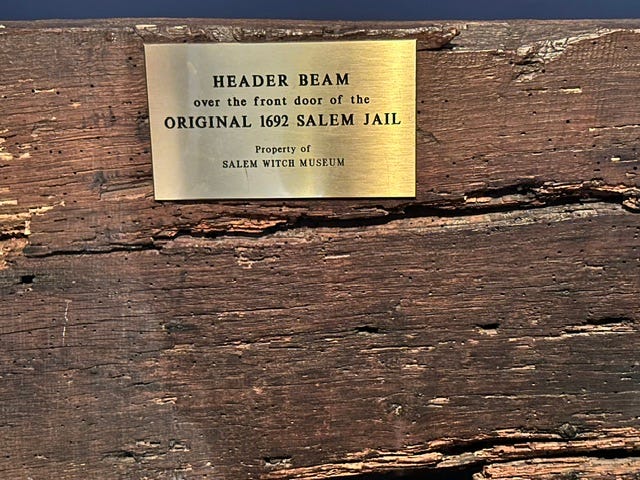
“People could see for themselves that the girls who had been afflicted were affected by the people they were accusing,” Lipcan said. “They would scream and contort themselves and say that they were pricked by pins or pinched, and this was out in the open for everybody to watch.”
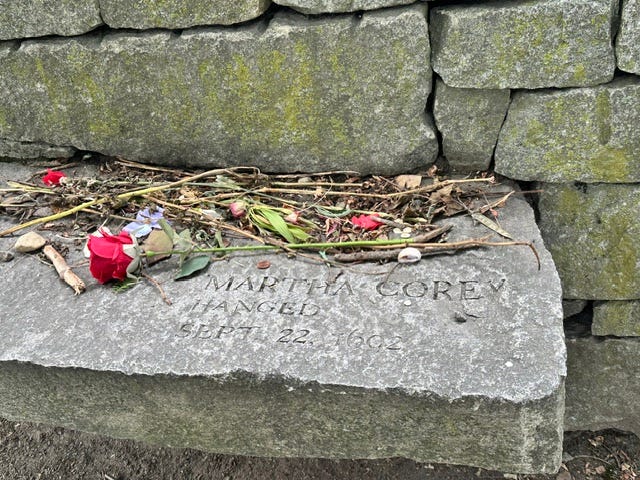
In June, Bridget Bishop became the first accused witch to be executed. By the end of September, 19 others had as well. Their names were: George Burroughs, Martha Carrier, Giles Corey, Martha Corey, Mary Eastey, Sarah Good, Elizabeth Howe, George Jacobs, Sr., Susannah Martin, Rebecca Nurse, Alice Parker, Mary Parker, John Proctor, Ann Pudeator, Wilmot Redd, Margaret Scott, Samuel Wardwell, Sarah Wildes and John Willard. Five others, including Sarah Osborne, died in prison while awaiting trial or sentencing.
In October 1692, the Massachusetts governor dissolved the court, claiming the evidence of witchcraft was not reliable because there was no requirement to provide proof. There were still a few trials after that, but without proof of witchcraft, no one else was found guilty. In the years after, many of the accusers came forward and admitted they’d made it all up.
Salem today
Despite the fact that Salem was the site of false accusations, the town embraces its witchy history today. The Peabody Essex Museum has several items from 1692 on display as well as art and artifacts from the rest of Salem’s rich history. There’s a memorial to the victims of the witch trials near the town cemetery. People also can walk down Essex Street, a pedestrian mall through town, and shop for candles, wands, hats and other magical supplies.
“There are also significant portions of the Salem community who are practicing witches,” Lipcan said. But if that makes you think about people working with evil spirits to hurt children, think again. There are many different traditions people practice today, but they’re typically more about nature and healing than about harming people. In fact, many of these traditions date back even farther than 1692. So were people back then actually practicing some kind of witchcraft? Lipcan had an answer.
He said, “I don’t think there’s any doubt.”