

The Battle of Gettysburg was a significant one in the Civil War before it even began, simply because of its location.
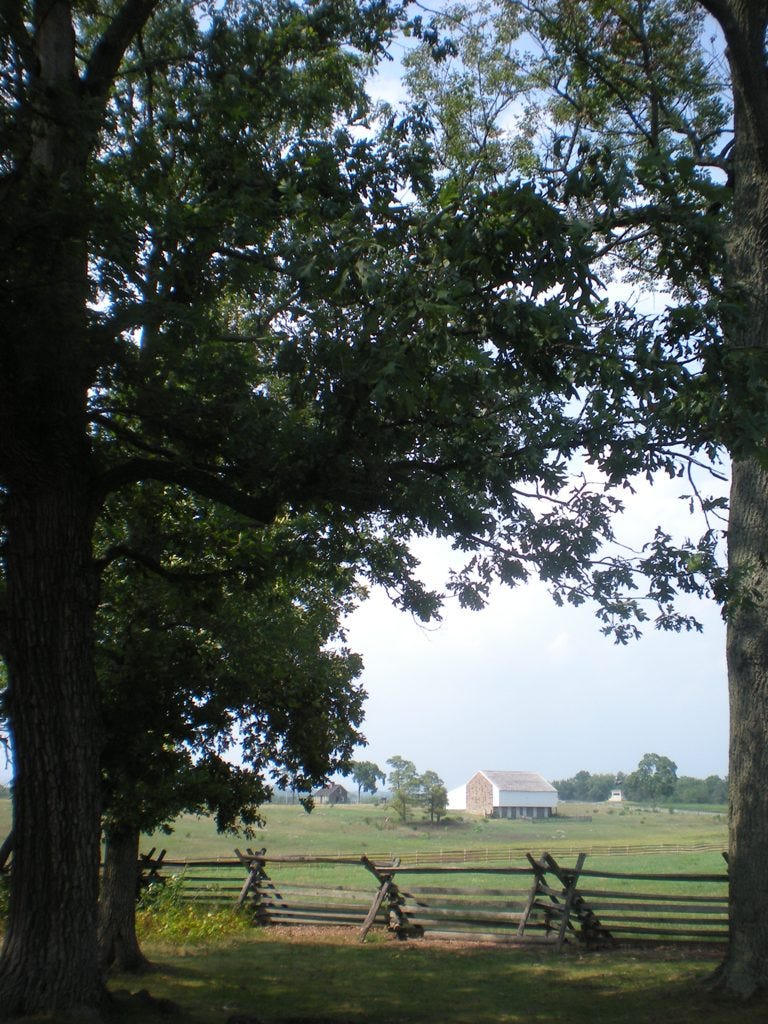

The war between the Union in the North and the Confederacy in the South had been going on for two years at that point, said Barbara Sanders, education specialist at Gettysburg National Military Park. Most of the battles, however, took place in the South, so people in the North tended to think of the war as happening far away. But when soldiers began marching into Gettysburg, they knew the war had come to their doorstep.
“It was very scary,” Sanders said. “They kind of couldn’t believe it was happening at first.”
The people were faced with a choice: Stay, hide and hope the battle ended quickly or evacuate and risk losing expensive property.
“Horses were a big thing that they wanted to get out of harm’s way,” she said.
Mary Virginia “Jennie” Wade was one who stayed, and she became the only civilian who was killed in the battle. She was kneading bread dough in the kitchen of her sister’s house on the morning of July 3, 1863 when a Confederate bullet went through two doors and hit her in the back. She was 20 years old.

The family had already had a difficult time during the war. Jennie’s sister, Georgeanna (known as Georgia) had given birth to a son on June 26, just days before the fighting began, with her husband off fighting elsewhere for the Union. Jennie and her mother moved into Georgia’s house to help care for the new baby and hopefully stay safe from the battle.
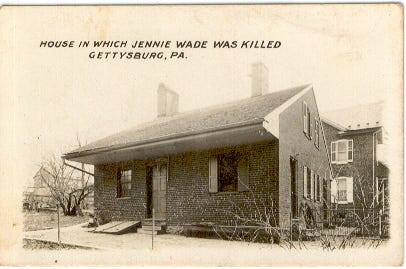
The bullet that killed Jennie Wade was not the first to enter the house during the battle. The American Battlefield Trust reports that Georgia and her baby had had a close call when a bullet pierced the bedpost while they were resting. But the family’s commitment to supporting those fighting for the Union was unwavering: The dough Jennie had been kneading at the time of her death was baked into 15 loaves of bread to distribute to the soldiers.
Today, tourists can visit the house, known as the Jennie Wade house. The home remains largely untouched from the Civil War era, and visitors can see the hole in one of the doors pierced by the bullet that killed her.